
The Hidden Language of Your Accessories: What Your Style Says Without Words
The Hidden Language of Your Accessories: What Your Style Says Without Words
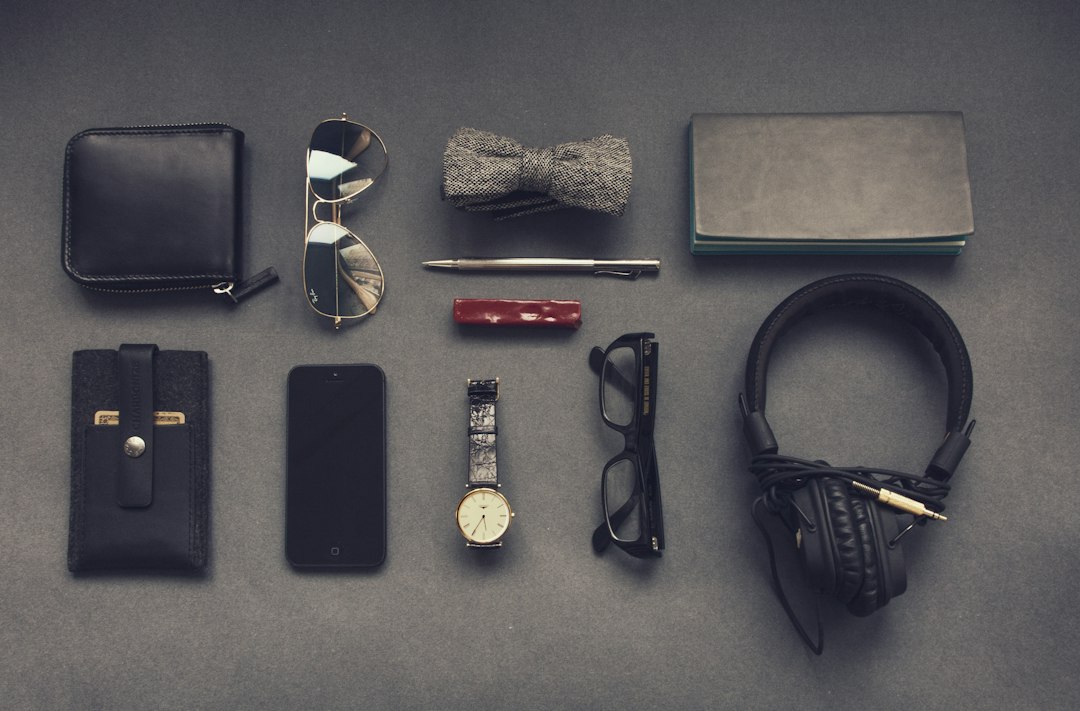
Fashion is more than just clothing—it’s a silent conversation. Every accessory you choose, from the watch on your wrist to the earrings dangling from your ears, speaks volumes before you even utter a word. These small details form a personal language, revealing your personality, mood, and even your aspirations. Understanding this hidden language can help you curate a wardrobe that not only looks good but also feels authentically *you*. Whether you’re a minimalist who prefers understated elegance or a maximalist who layers bold pieces, your accessories are a reflection of your inner world. Let’s decode what your choices might be saying about you.
The Psychology Behind Accessory Choices
Accessories are powerful psychological tools. They can boost confidence, signal status, or even evoke emotions. For instance, a well-chosen necklace might make you feel powerful, while a favorite ring could serve as a reminder of a cherished memory. Studies in behavioral psychology suggest that what we wear—including our accessories—can influence how we perceive ourselves and how others perceive us. A classic leather belt might convey reliability, while a stack of bangles could hint at a free-spirited, creative nature. The key lies in recognizing the subtle messages your accessories send, allowing you to align them with your true self.
What Your Jewelry Reveals
Jewelry is one of the most expressive forms of accessory language. Each piece tells a story, whether intentional or not. Here’s a quick guide to what common jewelry choices might convey:
- Minimalist Pieces (e.g., thin gold chains, small stud earrings): Often associated with sophistication, practicality, and a preference for quality over quantity. These choices suggest a love for simplicity and timeless elegance.
- Bold Statement Necklaces or Oversized Rings: Typically signify confidence, creativity, and a desire to stand out. Wearing such pieces may indicate a flair for drama and a non-conformist attitude.
- Vintage or Antique Jewelry: Reflects an appreciation for history, nostalgia, or a penchant for unique, one-of-a-kind items. It can also hint at a sentimental or introspective personality.
- Layered Necklaces or Stacked Bracelets: Often linked to a free-spirited, bohemian, or artistic nature. These choices suggest a love for texture, movement, and personal expression.
- Mismatched or DIY Jewelry: May indicate a playful, rebellious, or individualistic streak. These pieces often reflect a desire to break norms and embrace imperfection.
Of course, these interpretations are not rigid rules but rather general trends. The meaning of your jewelry is deeply personal and can evolve with your experiences and tastes.
Bags and Belts: Functional Yet Expressive
Even the most practical accessories carry symbolic weight. The bag you carry daily, for example, can say a lot about your lifestyle and priorities:
- Structured Handbags (e.g., leather totes, briefcases): Often associated with professionalism, organization, and a no-nonsense approach to life. These bags are favored by those who value efficiency and a polished appearance.
- Crossbody Bags or Small Clutches: Suggest practicality and a hands-free approach to daily life. They’re popular among busy individuals who need to move quickly while keeping essentials close.
- Vintage or Secondhand Bags: Reflect a sustainable mindset or a love for unique, timeless pieces. They may also hint at a thrift-conscious or eco-friendly lifestyle.
- Oversized Bags (e.g., hobo bags, duffels): Often chosen by those who prioritize comfort and functionality over aesthetics. They can also signal a laid-back, casual attitude.
Belts, too, play a subtle role in your style narrative. A wide leather belt might emphasize structure and authority, while a delicate chain belt could add a touch of femininity and delicacy. Even the way you fasten your belt—loosely or tightly—can subconsciously convey different messages about your mood or intentions.
Footwear: Walking Your Truth
Shoes are perhaps the most dynamic accessory, often revealing your approach to life, work, and leisure. Consider the following:
- Classic Pumps or Oxfords: Convey professionalism, ambition, and a traditional sense of style. These shoes are often worn by those who value discipline and elegance.
- Sneakers (e.g., white trainers, chunky dad shoes): Signal comfort, practicality, and a modern, youthful energy. They’re favored by those who prioritize movement and versatility.
- Boots (e.g., ankle boots, combat boots): Often associated with a rugged, adventurous spirit or a rebellious edge. They can also suggest a preference for durability and all-weather functionality.
- Barefoot or Minimalist Shoes: Reflect a connection to nature, a health-conscious lifestyle, or a desire for simplicity in form and function.
- Glittery or Bold-Colored Heels: Indicate a love for drama, celebration, and self-expression. These choices are often made by those who aren’t afraid to be noticed.
Interestingly, the condition of your shoes—scuffed, polished, or pristine—can also speak volumes. Scuffed sneakers might suggest a busy, active life, while always-polished heels could hint at meticulousness or a need to impress.
Scarves, Hats, and Gloves: Seasonal Storytellers
Accessories that change with the seasons often carry deeper meanings tied to adaptability and personal growth. Scarves, for example, are versatile and can be draped, tied, or knotted in countless ways, each style reflecting a different facet of your personality:
- Silk Scarves: Often associated with sophistication and a touch of glamour. They can be worn loosely for a relaxed vibe or knotted tightly for a polished look.
- Chunky Knit Scarves: Suggest warmth, comfort, and a cozy, homely spirit. These are favored in colder months by those who love texture and tactile experiences.
- Bandanas or Printed Scarves: May indicate a playful, retro, or artistic inclination. They can add a pop of color and personality to even the simplest outfit.
Hats, too, are loaded with symbolism. A wide-brimmed hat might evoke a free-spirited, bohemian lifestyle, while a baseball cap could signal casualness and a love for sports or outdoor activities. Gloves, though often overlooked, can also convey a sense of refinement or a practical approach to colder weather.
Watches: Time as a Personal Statement
Watches are unique accessories because they serve a functional purpose while also making a strong style statement. The type of watch you wear can reveal your priorities and values:
- Luxury Watches (e.g., Rolex, Cartier): Often associated with success, discipline, and a high regard for craftsmanship. Wearing one might signal ambition and a taste for the finer things in life.
- Minimalist Watches (e.g., Apple Watch, simple analog watches): Reflect a modern, tech-savvy, or efficient personality. These choices often align with a preference for simplicity and functionality.
- Vintage or Antique Watches: Suggest an appreciation for history, nostalgia, or unique, timeless pieces. They may also indicate a sentimental or introspective nature.
- Colored or Patterned Watch Faces: Indicate a playful, creative, or non-conformist spirit. These watches are often chosen by those who love to express their individuality.
- Smartwatches: Reflect a love for technology, convenience, and a data-driven approach to life. They’re popular among professionals and fitness enthusiasts alike.
The way you wear your watch—on your left wrist, right wrist, or even stacked with other bracelets—can also add layers to its message. For instance, wearing a watch on your right wrist is less common and might hint at a rebellious or unconventional streak.
How to Curate a Wardrobe That Speaks Your Truth
Understanding the language of accessories is just the first step. The next is curating a collection that authentically represents who you are. Here’s how to do it thoughtfully:
1. Identify Your Core Style
Reflect on the accessories you’re naturally drawn to. Do you gravitate toward vintage pieces, or do sleek, modern designs excite you? Your preferences can reveal whether you’re more aligned with classic elegance, edgy rebellion, or free-spirited bohemianism.
2. Invest in Quality Over Quantity
Timeless accessories made from high-quality materials not only last longer but also carry a sense of authenticity. A well-crafted leather bag or a solid gold necklace will always speak louder than a dozen fast-fashion trinkets.
3. Mix Intentional and Impulsive Choices
While your core accessories should reflect your true self, don’t be afraid to experiment. A spontaneous purchase—a quirky brooch or a brightly colored scarf—can add depth to your style and reveal hidden facets of your personality.
4. Pay Attention to Proportion and Balance
Your accessories should complement your outfit without overwhelming it. For example, if your outfit is already bold, opt for understated jewelry to create harmony. Conversely, a simple outfit can be elevated with a statement piece.
5. Let Your Accessories Evolve with You
Style is not static—it grows as you do. Revisit your accessory collection every few seasons to ensure it still resonates with who you are today. Donating or passing on pieces that no longer feel authentic can make room for new expressions of your identity.
The Power of Accessories in Communication
In a world where first impressions are often made in seconds, accessories give you the power to control the narrative. They allow you to communicate confidence, creativity, or even vulnerability without saying a word. Whether you’re dressing for a job interview, a first date, or a casual day out, your accessories can set the tone for how you’re perceived.
Consider the difference between a person wearing a sleek watch, tailored blazer, and polished shoes versus someone in a graphic T-shirt, chunky sneakers, and layered necklaces. The former might come across as authoritative and traditional, while the latter could be seen as approachable and innovative. Neither is inherently better—they simply serve different purposes and convey different facets of the wearer’s personality.
Breaking the Rules: When Accessories Defy Convention
While we’ve explored common interpretations of accessory choices, it’s important to remember that style is deeply personal. Some of the most iconic fashion statements come from breaking norms and defying expectations. A CEO wearing sneakers to the office might challenge traditional notions of professionalism, while an artist pairing a tuxedo with combat boots could be making a bold statement about blending elegance with rebellion.
The key is to wear what feels authentic to you, even if it doesn’t align with conventional wisdom. Your accessories should empower you, not confine you to a set of predefined meanings. After all, the most powerful language is the one you speak with confidence.
Final Thoughts: Dress for the Story You Want to Tell
Your accessories are more than just adornments—they’re a visual diary of your journey, your tastes, and your aspirations. By understanding the hidden language of style, you can harness the power of these details to craft a wardrobe that not only looks good but feels like an extension of who you are. Whether you’re a minimalist, a maximalist, or somewhere in between, your choices speak volumes. So the next time you reach for a piece of jewelry, slip on a pair of shoes, or fasten a belt, ask yourself: What story do I want to tell today?


